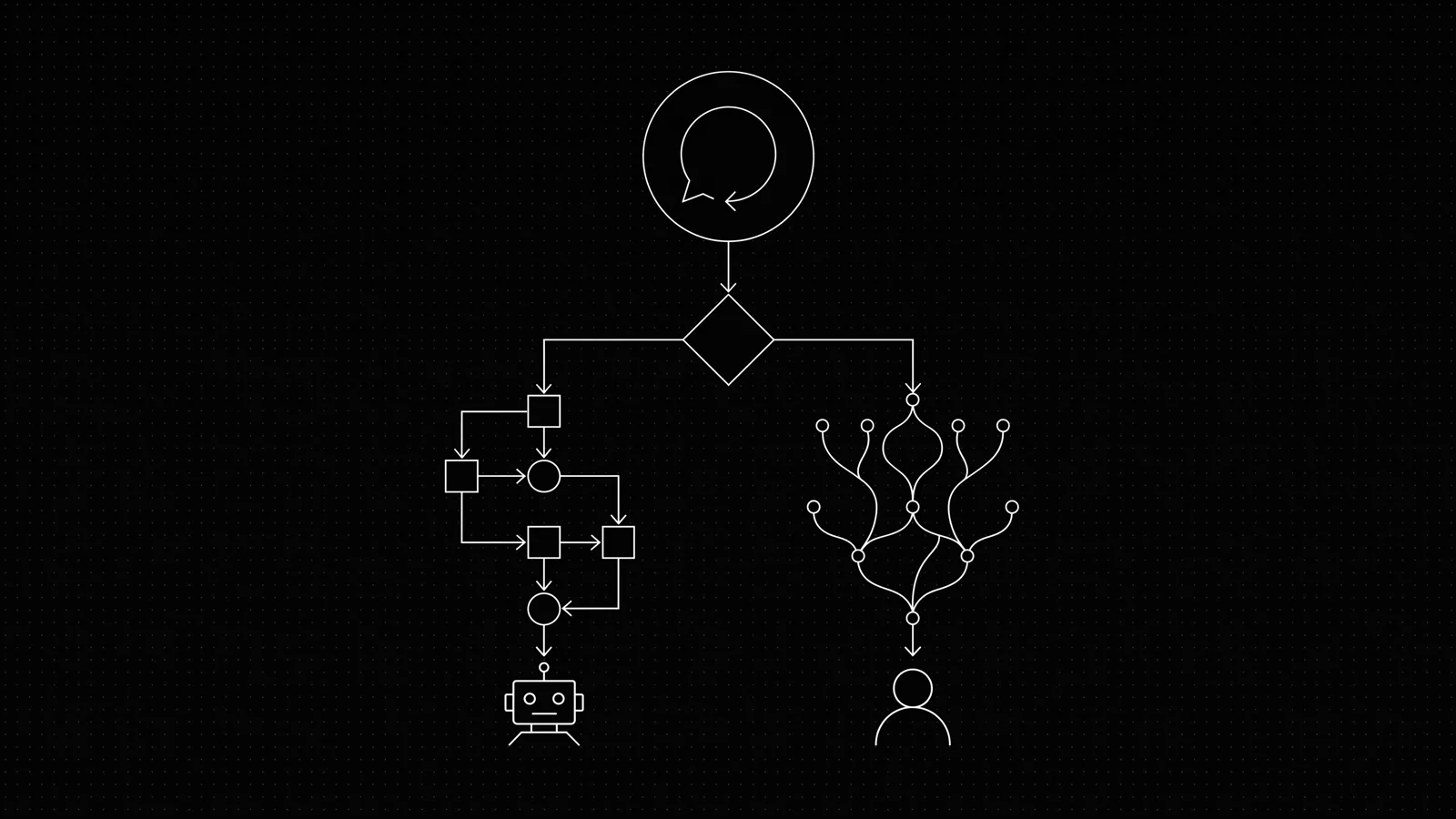
Yes, a WhatsApp bot can hand off to a human — the Business Platform supports agent takeover natively. The engineering question is not whether it can hand off but when it must, and the honest architecture has three trigger classes: confidence (the model is not sure), sentiment (the human is getting frustrated), and value (the lead is too expensive to risk). Get the triggers right and the bot is an asset; get them wrong and the bot is the reason the customer calls your competitor
This is how we build the escalation layer in production
What are the three escalation triggers?
Each trigger is a rule, not a model judgment — the same reason scoring should be rules, not vibes, which we covered in the lead qualification article
1. Confidence. The extraction returns nulls on fields that matter, the model's self-reported confidence falls below threshold, or the customer's reply contradicts the current interpretation three times. Anything the bot cannot parse confidently routes to review, not to a guess
2. Sentiment. Complaint language, repeated caps-lock or exclamation density, the word "manager", a refund or legal threat, or simply the third unanswered follow-up — a human sees it within seconds. Sentiment is checked on every inbound message, not only at the end of a failed flow
3. Value. The lead's extracted fields cross a threshold your sales manager defines — a budget above AED 3M, a cash buyer inside the listing range, a commercial enquiry for multiple units. High-value conversations get a human because a mishandled one costs more than the entire automation project
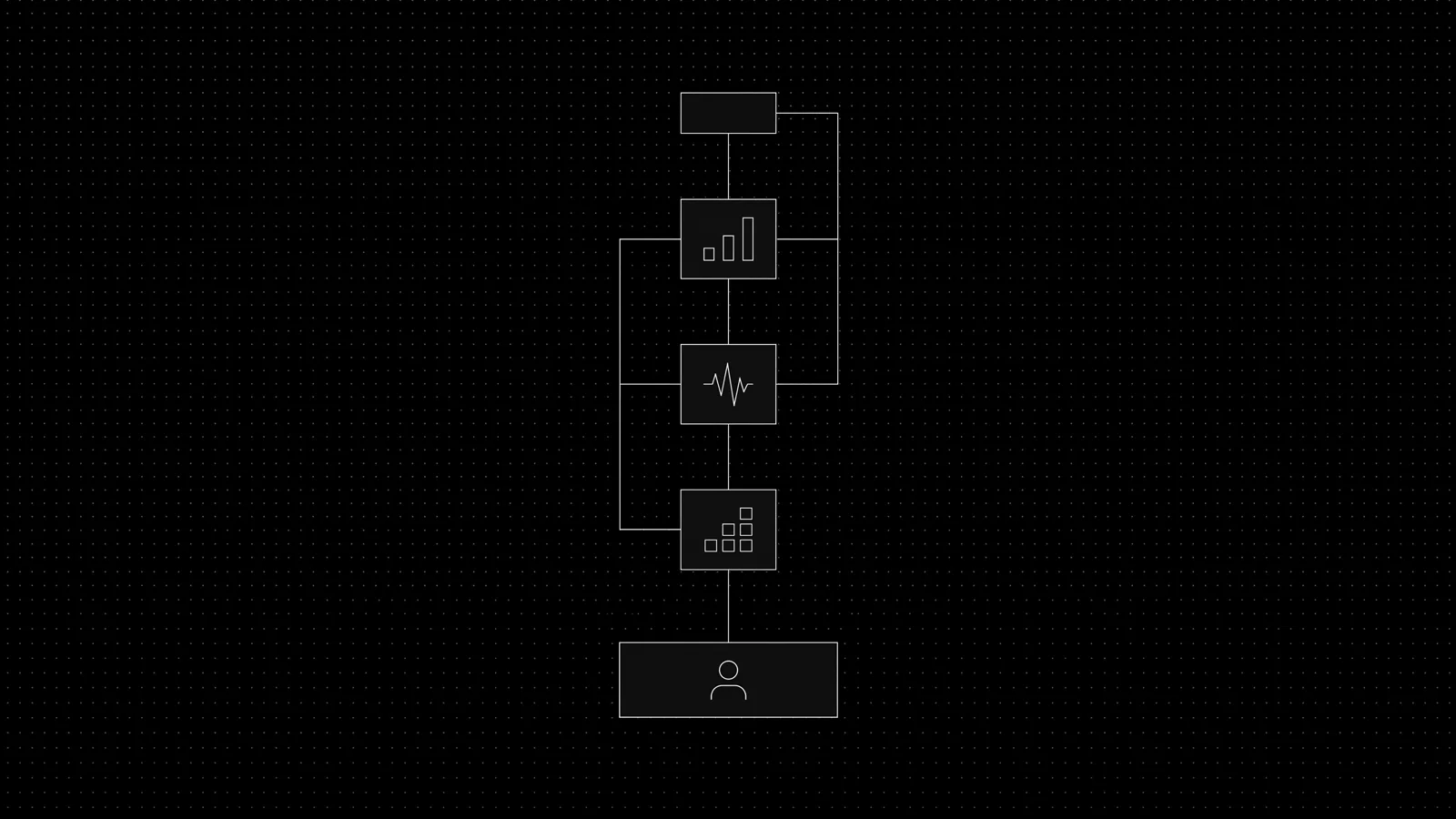
The rules run independently; whichever fires first hands the thread over
What does the agent actually see at takeover?
The worst handoff is the one that makes the customer repeat themselves. The takeover payload we ship carries the full thread, the extracted lead fields, the bot's qualification notes, and the reason the escalation fired — so the agent opens the conversation already knowing the budget, the timeline, and what went wrong:
- Thread: every message, in order, with timestamps and the customer's language
- Extracted fields: budget, timeline, area, purpose, contact name
- Score + reason: "hot — cash buyer, 1-3mo timeline, Marina listing" or "escalated — sentiment trigger on message 4"
- Bot's state: which step of the flow it was in, which template it sent last, whether a follow-up is already scheduled
The customer should experience the takeover as a sharper answer, not a restart. That means the agent's first message continues the thread ("got it — picking up where the bot left off, your budget band is around 2M and you want Marina…"), never "how can I help you"
What about the 24-hour window and approved replies?
The WhatsApp rules still apply after handoff. The 24-hour customer service window governs whether the human can reply freely or must use a template — if the customer last messaged 30 hours ago, even a human response has to go through a pre-approved template first. The mechanics and the cost implications are covered in WhatsApp Business API in the UAE
There is also a stronger pattern for regulated or high-value work: approval-in-the-loop. Instead of sending directly, the bot drafts every outgoing message into a queue the human approves with one click. Slower, and the right default when a wrong sentence costs a licence, a deal or a PDPL complaint. We default to it for real-estate document flows — the same principle as keeping every extracted field reviewable, which the document pipeline article covers
When should the bot NEVER hand off?
Two cases where escalating is wrong by design. First, obvious spam and test messages — those get a polite template close and a flag, not an agent's attention. Second, questions inside the bot's competence that are answered correctly — escalating those defeats the point. The goal of handoff is not to make the human a fallback for everything; it is to make the handoff invisible to the customer and zero-cost for the agent
The number of conversations that need a human drops as the system matures: early weeks see 15–30% of threads escalate while the field map and thresholds tune; stable systems land at 5–10%. If yours stays at 40%, the trigger rules or the extraction schema need work — the model is not the bottleneck
In production I read the escalation rate as the health metric. A fresh system sits at 15 to 30 percent while thresholds tune, a stable one lands at 5 to 10, and if it stays at 40 the trigger rules need work, not the model.
What does the takeover message look like?
The customer never sees the mechanics, but the agent sees a compact summary that tells them what happened, what is known, and what is expected next. A typical takeover card:
LEAD: Ahmad K. · +971 5X XXX XXXX
SOURCE: Property Finder · 1BR, Marina Gate, AED 1.85M
FIELDS: purpose=investor · budget=2.0-2.5M · timeline=1-3mo · financing=cash
SCORE: hot (value trigger)
REASON: asked about payment plan + viewing on Saturday
BOT STATE: sent qualification q2 · next template pending approval
The card lives in the same thread the customer is in — the agent does not switch tools, they scroll up, read the summary, and reply
How does the bot behave after handoff?
It goes quiet. The bot stops replying to the thread entirely until the human resolves it or releases it back — no competing answers, no "also, did I mention…" interjections. The only thing it keeps doing is the bookkeeping: logging the handoff timestamp, the agent who picked it up, and the resolution for the weekly escalation-rate review. The number that tells you the system is healthy is not the handoff rate itself but the time-to-human on escalated threads, which should be under a minute during business hours and defined after hours
How do you tune the triggers after launch?
The first two weeks are calibration, not configuration. We watch every escalated thread and every thread that should have escalated but did not, and we adjust the rules on real data: the confidence threshold that fires too often gets loosened, the sentiment rule that misses "speak to a person" in Arabic gets widened, the value threshold that escalates routine enquiries gets raised. The escalation rate is the metric — a healthy system starts at 15-30% and lands at 5-10% once the field map and the rules reflect how your customers actually write
What does success look like in numbers?
Three numbers tell you whether the handoff layer works. Time-to-human on escalated threads (target under a minute during business hours). First-response containment — the share of threads where the customer's question is fully answered without the human re-asking anything already covered (target ~80%). And post-handoff CSAT signal — the share of threads that end in a booked viewing, a completed qualification or a resolved complaint after human takeover, which is the number that tells you the bot actually helped rather than just deferred
The takeaway
Escalation is architecture, not failure. Three trigger classes (confidence, sentiment, value), a takeover payload that carries the thread + fields + reason, a human whose first message continues instead of restarts, and approval-in-the-loop where a wrong sentence costs more than a slow one. The intake flow this plugs into is in WhatsApp bots for Property Finder and Bayut leads, and the PDPL side of storing those threads is in the compliant CRM post
FAQ
Can a WhatsApp AI chatbot hand off to a human?
Yes — the Business Platform supports agent takeover natively. The bot posts the conversation summary and extracted fields into the agent's inbox, then stops replying until the human resolves or returns the thread
What triggers a handoff?
Three classes: confidence (the model is unsure or fields came back null), sentiment (complaint or frustration signals), and value (budget or intent above a threshold). Rules fire the handoff, not the model's mood
Can a human approve AI replies before they send?
Yes — approval-in-the-loop keeps every outgoing message in a draft state until a human clicks send. Slower, but the right default for regulated or high-value conversations
What does the agent see when they take over?
The full thread, the extracted lead fields (budget, timeline, area), the bot's qualification notes and why the escalation fired. No re-asking the customer questions the bot already covered